
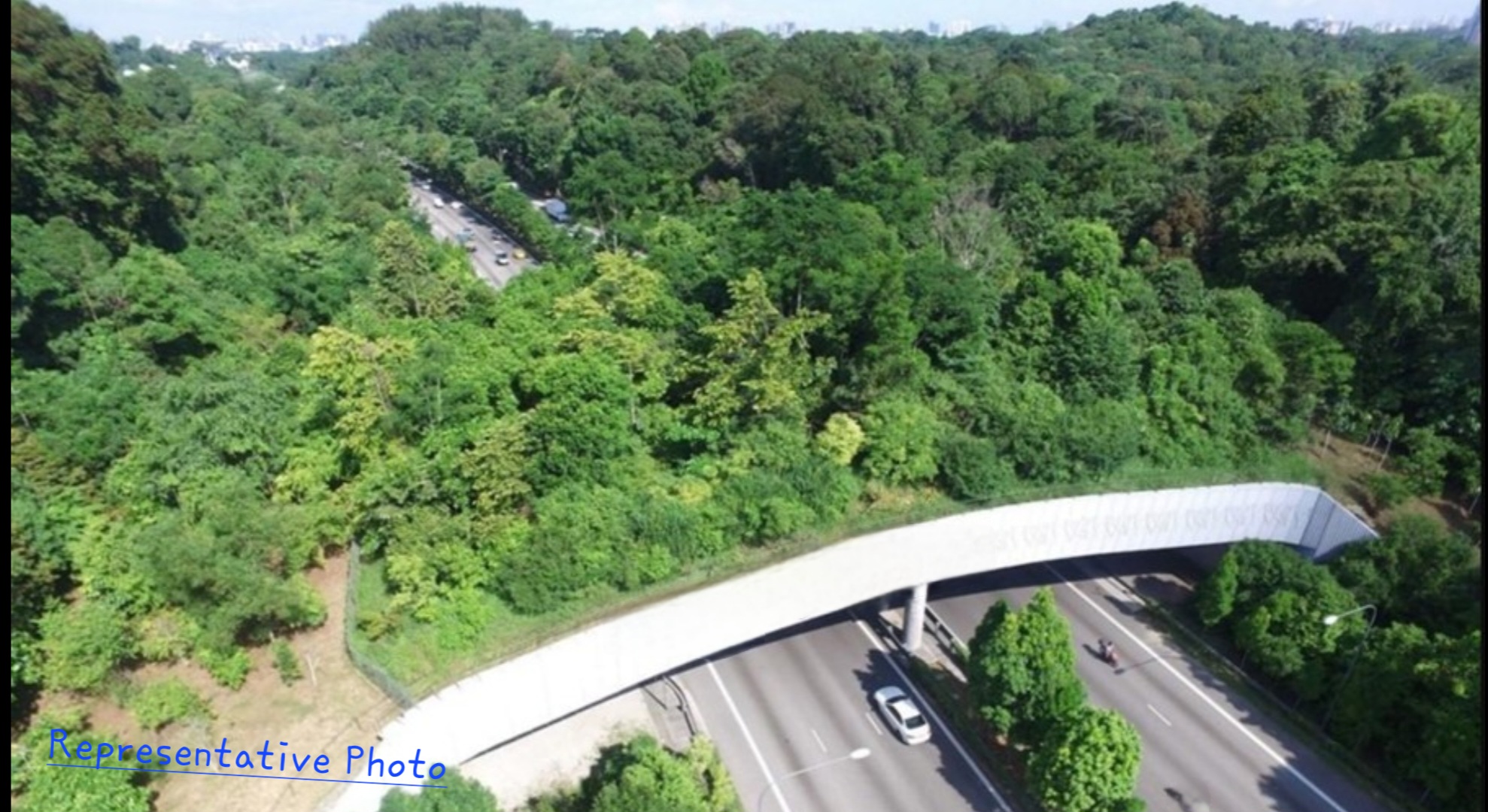
Kaziranga National Park – A proposed 35-kilometre elevated corridor along the southern boundary of Kaziranga National Park has sparked renewed debate over development and wildlife protection, after wildlife activist Prasanta Kumar Saikia formally alerted UNESCO’s Director-General on November 19, alleging potential violations of the World Heritage Convention.
The escalation comes after the Cabinet Committee on Economic Affairs (CCEA), chaired by Prime Minister Narendra Modi, approved the project on October 1 as part of a broader plan to widen the 85.675-km Kaliabor –Numaligarh stretch of NH-715 into a four-lane highway. The project, valued at ₹6,957 crore, includes a 34.45-km elevated roadway, widened stretches, and new greenfield bypasses intended to improve connectivity across Assam.
For decades, Kaziranga has witnessed heartbreaking scenes during monsoon floods: rhinos, elephants, deer, and other species fleeing rising waters and crossing the busy highway toward the Karbi Anglong Hills, only to be struck by speeding vehicles. The proposed elevated corridor was envisioned as a transformative solution to this chronic conflict – creating an uninterrupted wildlife passage underneath and potentially reducing animal fatalities that have plagued the park-road interface for years.
Government officials have described the project as a rare effort to align infrastructure development with conservation, while also improving travel and trade. Once completed, the corridor would link key districts including Guwahati, Nagaon, Golaghat, Numaligarh, and Jorhat, connect three major airports and railway stations, boost tourism access, and is projected to handle 13,800 passenger car units per day by FY25. It is also expected to generate significant employment, with estimates of 15.42 lakh person-days directly and 19.19 lakh person-days indirectly.
Despite these projected benefits, Saikia warns that construction could inflict lasting ecological harm. He argues that the proposed alignment passes through a critical wildlife corridor – a lifeline for the park’s 35 major mammal species and over 300 bird species. He cautions that sustained human presence, heavy machinery, and noise during multi-year construction could disrupt migration routes, breeding cycles, and habitat continuity, undermining the park’s Outstanding Universal Value – the very foundation of its UNESCO World Heritage designation.
His submission raises a larger national question:
Should a massive infrastructure project – even one aimed at reducing animal deaths – be paused because of objections raised by a single conservationist, or do such concerns signal deeper environmental risks that merit broader inquiry and global scrutiny?
As the project advances and UNESCO evaluates the communication, Kaziranga now stands at a crossroads: whether this elevated corridor becomes a pioneering model of coexistence between development and wildlife – or a decision that alters the park’s fragile ecosystem in ways impossible to reverse.
- Dipanjana D